
Galloway Forest Dark Sky Park Guide
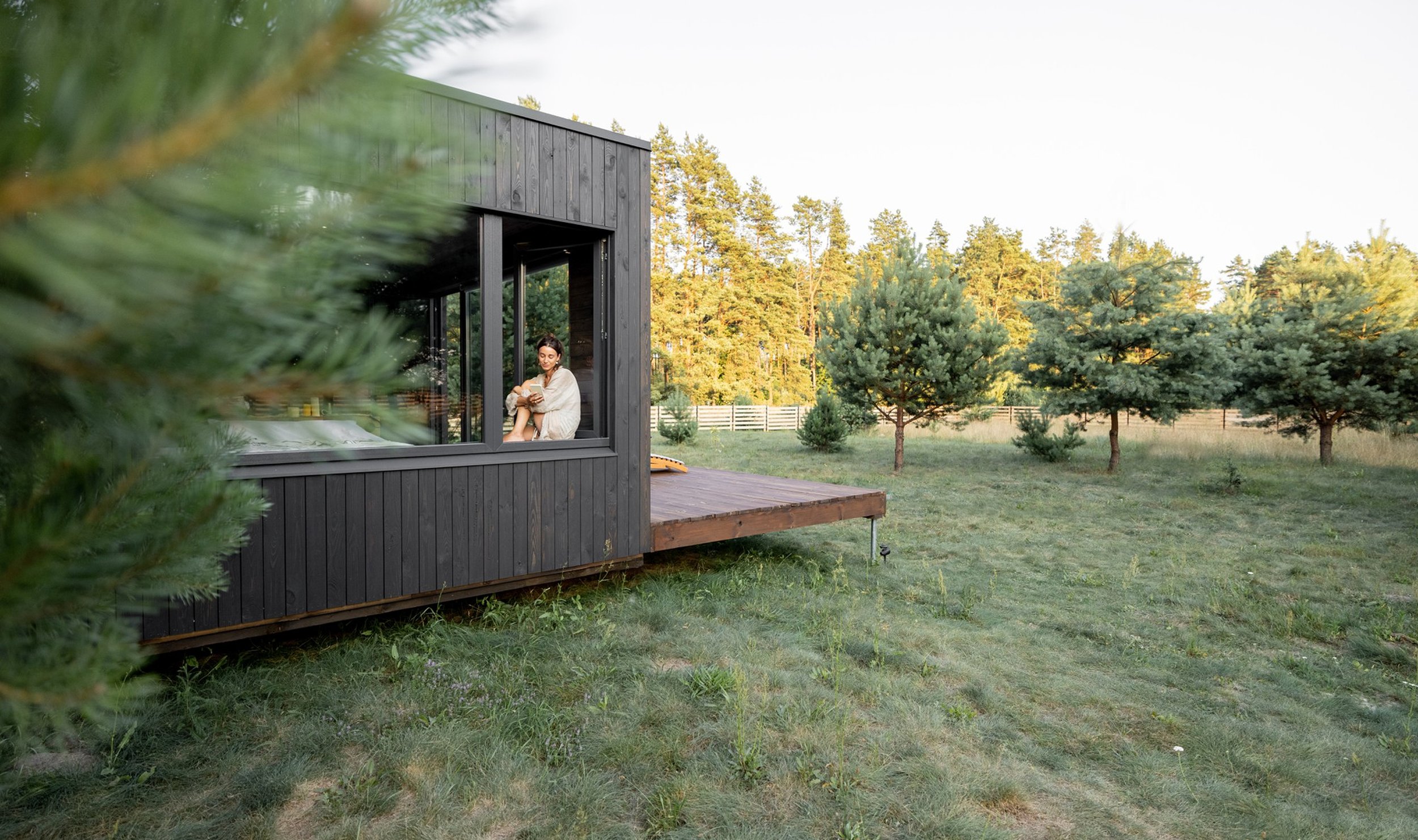
A Guide to Galloway Forest Dark Sky Park
If you’re looking for some of the darkest skies in the UK, you’ll find them in southwest Scotland.
Galloway Forest Park is home to one of Europe’s first designated Dark Sky Parks. In 2009, it became one of the first places in the world to receive this status, awarded a prestigious Gold Tier Park designation in recognition of its exceptionally low levels of light pollution.
There are now over 100 Dark Sky Places worldwide, all committed to preserving the night sky—but few feel quite as remote or expansive as Galloway.
On a clear night, the difference is immediate. Away from towns and cities, the sky feels deeper, sharper, and far more expansive. Up to 7,000 stars and planets can be visible to the naked eye—far beyond what most people will have seen before.
What is a Dark Sky Park?
A Dark Sky Park is a protected area where efforts are made to minimise artificial light and preserve natural darkness.
In Galloway, this means:
Carefully managed lighting across the park
Large areas of remote, unlit landscape
Consistently low levels of light pollution
The park is divided into zones:
Core zone – the darkest, most remote areas
Buffer zone – surrounding countryside with minimal light
Transition zone – where darkness is still high, but with some nearby habitation
Even outside the core zone, conditions are significantly better than most of the UK.
Why Galloway is So Good for Stargazing
Several factors combine to make Galloway one of the best places in Britain to see the night sky:
Low population density
This is one of the least densely populated parts of the UK, meaning far fewer artificial light sources.
Limited development
There are no major cities nearby, and very little urban sprawl.
Clear horizons
Large open landscapes—particularly around the forest and the Solway coast—allow uninterrupted views of the sky.
Protected status
The Dark Sky designation helps ensure that light pollution remains low over time. When our Wild Galloway cabins received planning permission, it was on the condition that minimal external lighting was to be installed, and all these lights were required to be pointing downwards and not up into the sky.
Best Places to Stargaze in Galloway
While you can see the night sky almost anywhere in the region, a few locations are particularly well known:
Clatteringshaws Visitor Centre
One of the most accessible locations, with parking and wide-open views across the loch.
Kirroughtree Forest
Easily reached from Gatehouse of Fleet, offering a mix of forest clearings and darker pockets away from light.
Raiders Road Forest Drive
A quiet, scenic route where you can stop in more remote sections for darker conditions.
Solway Coast
Along the Solway Firth, wide horizons and minimal light pollution create excellent conditions—often with reflections across the water adding to the effect.
When is the Best Time to Go?
Stargazing is possible year-round, but conditions vary.
Autumn and Winter (best overall)
Longer nights
Darker skies earlier in the evening
Greater chance of seeing the Milky Way
Spring and Summer
Shorter nights, especially around June
Still excellent on clear evenings
More comfortable temperatures
Guided Stargazing Experiences
If you’d like a deeper understanding of what you’re seeing, it’s possible to book guided sessions with local Dark Sky Rangers.
Both Elizabeth (via Freelance Ranger Service) and Matt (a local Dark Sky Ranger) offer guided stargazing experiences, helping you navigate the night sky, identify constellations, and make the most of the conditions.
These sessions can add another layer to the experience—particularly if you’re new to stargazing or visiting during peak astronomical events.
A visit to the Dark Space Planetarium in Kirkcudbright is the perfect way to enrich your dark skies experience before heading out beneath the stars. Its state-of-the-art 360° immersive dome brings the night sky to life, helping you identify constellations, understand the planets and galaxies above you, and appreciate the scale of the universe you’ll be looking up at later that evening.
Whether you’re completely new to astronomy or already an enthusiastic stargazer, the planetarium provides fascinating shows, interactive exhibits and expert-led presentations that add a whole new dimension to a visit to Galloway Forest Dark Sky Park. It’s an excellent family-friendly attraction and an ideal activity if the weather isn’t suitable for stargazing.
What to Look For
Even without equipment, there’s a lot to see:
The Milky Way stretching across the sky
Constellations such as Orion and Cassiopeia
Shooting stars during meteor showers
Planets visible at different times of year
With binoculars or a telescope, detail increases significantly—revealing star clusters, moons, and planetary features.
Practical Tips for Stargazing
To get the most from your visit:
Check the weather – clear skies are essential
Avoid bright moon phases – darker skies reveal more stars
Give your eyes time to adjust – at least 15–20 minutes
Bring layers – it cools quickly after sunset
Use a red-light torch – preserves night vision
Experiencing the Dark Skies from Wild Galloway
Wild Galloway sits within the transition zone of the Dark Sky Park. While not in the core of the forest, the cabins are extremely remote, with virtually no localised light pollution.
In practice, that means you don’t need to travel far—or at all—to experience exceptional night skies. On clear evenings, the stars are visible directly from the cabins, often in remarkable clarity.
Each cabin is also equipped with a telescope and simple guides to help you make the most of it—whether you’re identifying constellations or just taking a closer look at the night sky.
For many guests, it becomes one of the most memorable parts of their stay.
